
Book an appointment with our friendly dental team and get clear advice tailored to your needs. We are here to help you smile with confidence.
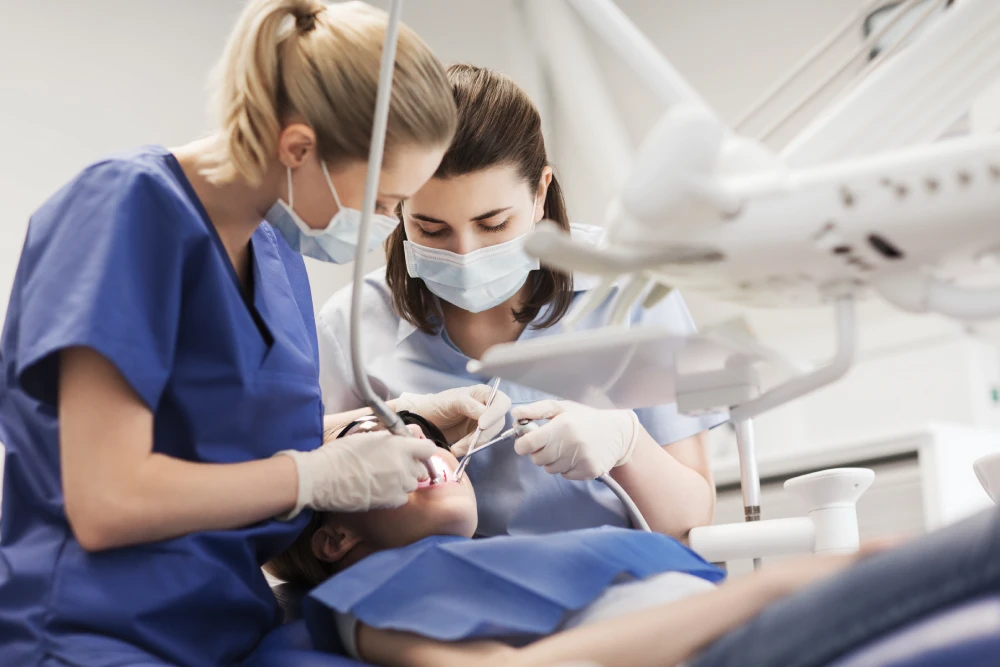
Dental emergencies can be painful and stressful. If you have sudden toothache swelling bleeding or a dental injury, our team can assess the problem quickly and provide the right treatment to relieve discomfort and protect your oral health.
Emergency care focuses on immediate relief and stabilising the issue. In many cases, we can resolve the problem on the day. If further treatment is needed, we will explain the next steps clearly and arrange follow up care where appropriate.
If you are unsure whether your situation is an emergency, it is still worth calling. We can advise you on the safest next step and book you in if urgent care is needed.
Many dental practices prioritize creating a comfortable and stress-free environment for patients. This includes offering amenities like sedation dentistry for those with dental anxiety, flexible scheduling options, and comprehensive care under one roof.
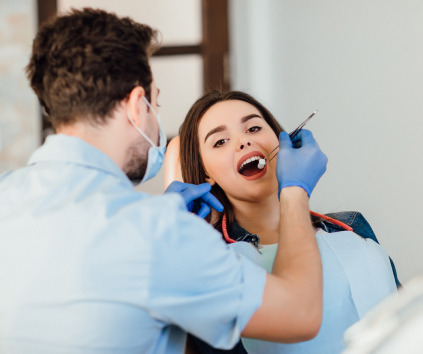
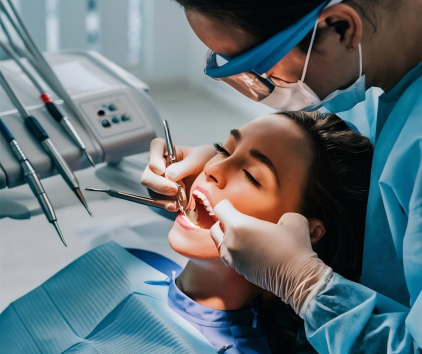
The effectiveness of teeth whitening depends on various factors, including the method used, the cause of discoloration, and the individual’s teeth. In-office whitening treatments generally provide the most noticeable results, often lightening teeth by several shades in a single visit. At-home kits can also be very effective, especially when used consistently and as directed.
It’s important to note that teeth whitening is not permanent. The longevity of the results depends on your lifestyle and oral hygiene habits. Avoiding foods and drinks that cause staining, not smoking, and maintaining good oral hygiene can help prolong the effects of whitening treatments.
We provide caring dentistry with a focus on general, cosmetic, and specialist dental treatments.
© 2026 The Limes Dental Practice. All rights reserved. Last updated: 2 November 2026. Website developed by Waqas Waziri Ltd.